The Good Neighbor Challenge: How to Build Community in Your Building

The Good Neighbor Challenge: How to Build Community in Your Neighborhood

Let’s be real for a second: living in the Twin Cities during early March is a bit of a mood. We are officially in that “is it spring or is it just more mud?” phase of the year. The snow is turning into that lovely shade of city-slush gray, and we’re all collectively squinting at the sun wondering if it’s safe to put the heavy parkas in storage yet.


During the long Minnesota winter, it’s easy to retreat into our little home cocoons. We scurry from the car to the front door, hoods up, eyes down, avoiding the wind chill at all costs. But as the days get longer and the ice starts to melt, there’s a golden opportunity to break out of that hibernation.


At Housing Hub, we’ve learned something important after managing homes and apartments all across the Twin Cities: a neighborhood becomes stronger when neighbors actually know each other.

Your rental should be more than just a place to sleep and store your stuff. Whether you live in a duplex, apartment building, or single-family home on a quiet street, your neighborhood can become a place where people feel safe, supported, and connected.


That’s why we’re launching the Good Neighbor Challenge!


We’re not asking anyone to host a 50-person block party or organize a full HOA meeting. Instead, this challenge focuses on simple, low-pressure ways to connect with the people who live around you, whether they share your hallway, your sidewalk, or your local dog-walking route.


Because here’s the truth: community doesn’t just exist inside buildings — it grows across neighborhoods.

And sometimes, all it takes is a few small moments.


1. Master the “Sidewalk Hello”
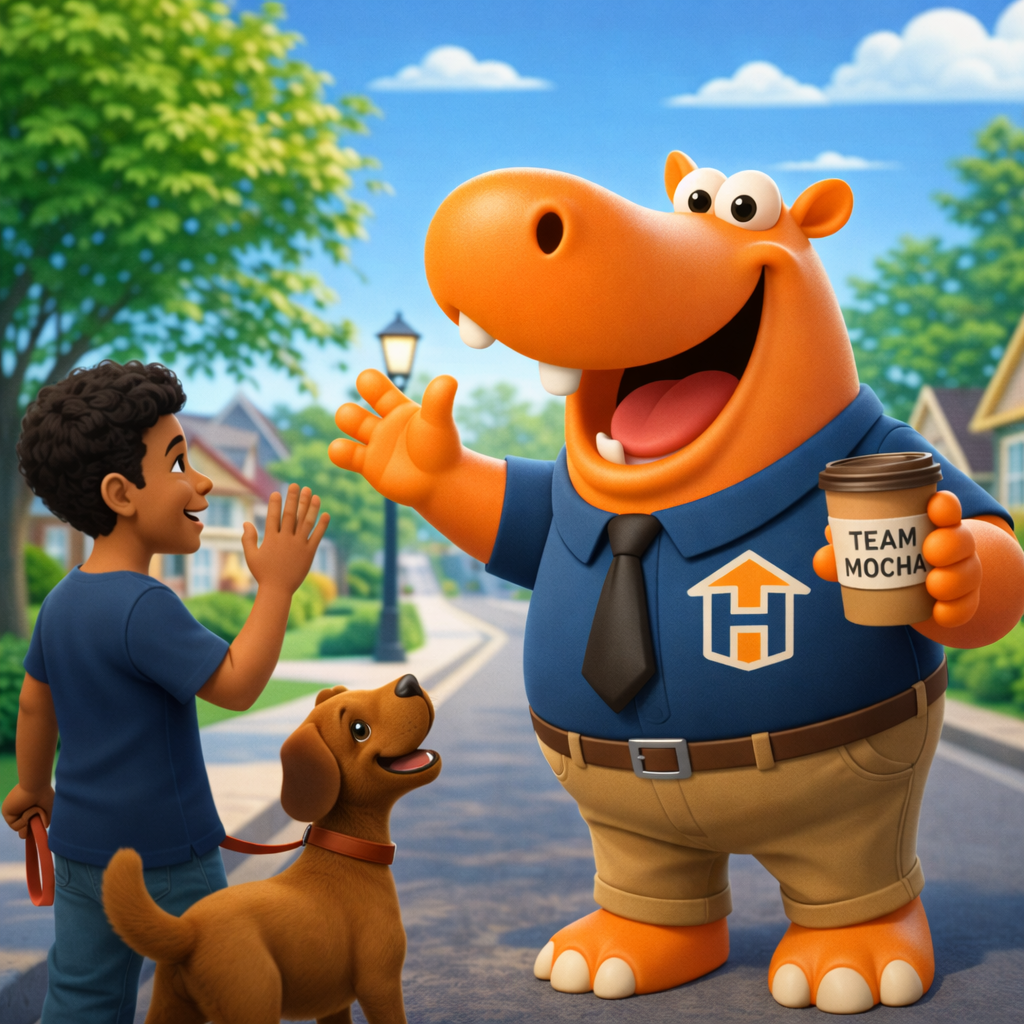
Hubbs the mascot holding a coffee interacting with the neighbor and his dog by the sidewalk

Minnesota is famous for something called “Minnesota Nice.”


But sometimes it turns into something closer to “Minnesota Ice” — perfectly polite, but keeping a solid ten-foot bubble of personal space.


The first step in the Good Neighbor Challenge is melting that ice.


We’ve all had this moment: you’re grabbing the mail, walking the dog, or heading out the door — and another neighbor appears. Suddenly your phone becomes the most interesting object in the universe.


Instead of avoiding eye contact, try this instead:


The Challenge


Look up. Smile. Say hello.


If you're feeling bold, try a simple opener like:


• “How’s your day going?”

• “Can you believe this weather?”

• “Looks like spring might finally be showing up!”


Why this works


The first few interactions may feel small, but they matter. After a few friendly hellos, the person next door isn’t just “the person who lives nearby.” They become “the neighbor with the golden retriever” or “the guy who also complains about winter.” Small talk is the foundation of real neighborhood connections.

2. Start a Simple “Neighbor Exchange”
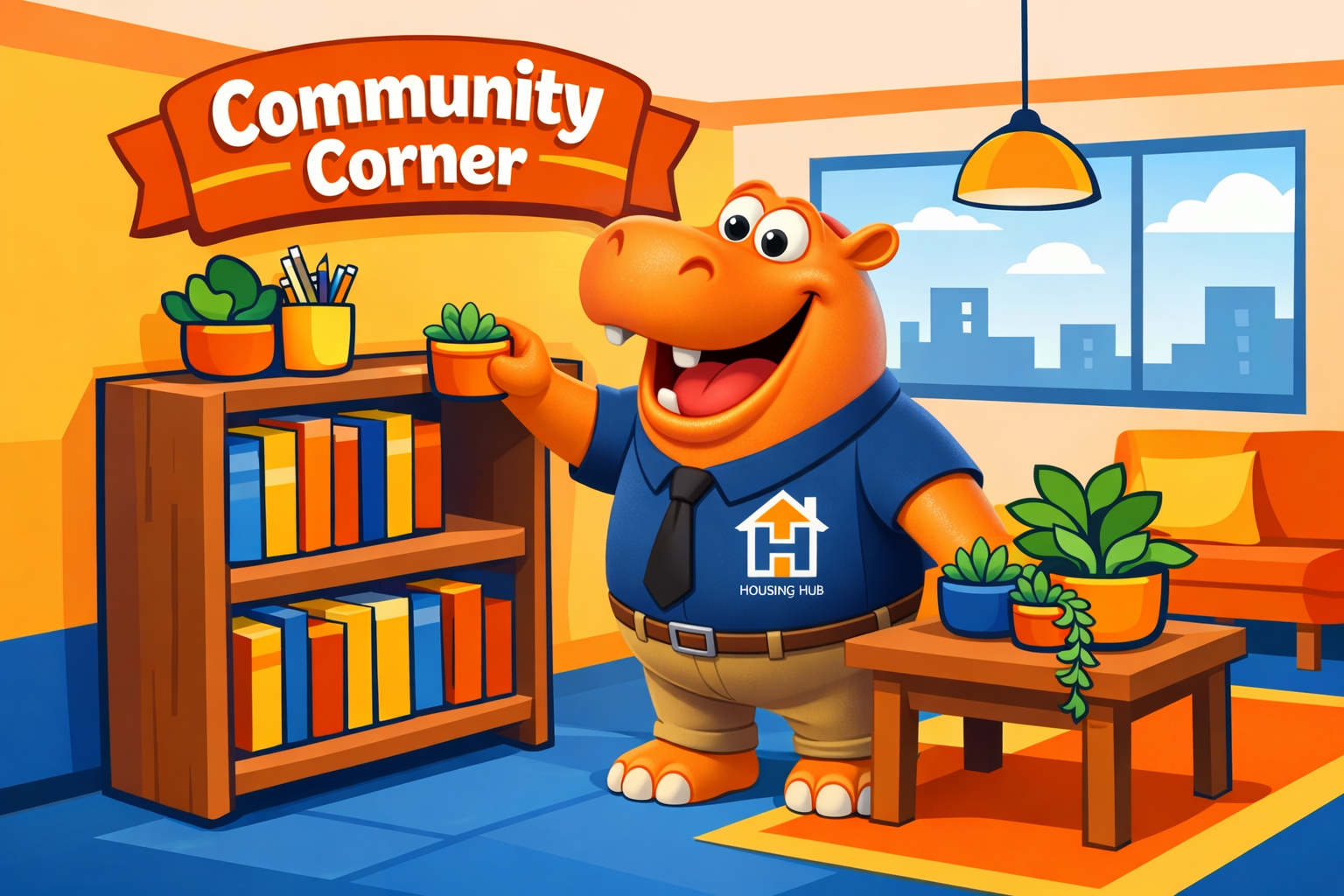
Housing Hub mascot in the community corner room that has books, plants and chairs.

One of the easiest ways to build community is by creating something neighbors can participate in casually.


No awkward conversations required.


Shared exchanges are a great example of quiet community building.


The Challenge


Create a small, simple exchange idea neighbors can join if they want.


Ideas include:


Little Free Library Leave a book, take a book.


Plant Clipping Swap Share a few pothos or spider plant cuttings.


Puzzle Table or Game Share Start a puzzle or board game neighbors can contribute to.


Neighborhood Free Table A small bin or table where neighbors can leave gently used items. If you live in a building, this might be a small shared area like a lobby or laundry room.


If you live in a residential neighborhood, it could be something like:


•  A porch pickup swap

 • A local Facebook group share

 • A “free” table during a warm weekend or organize a neighborhood garage sale weekend & let your neighbors have first dibs


Before setting something up in shared building spaces, it's always a good idea to check with your property manager so hallways and common areas stay safe and accessible.

3. Small Acts of Neighbor Kindness

Living near other people means our lives overlap in unexpected ways.

  • Packages arrive while someone is at work.
  • Snow piles up.
  • Groceries become a juggling act.

Sometimes the most meaningful community moments are the smallest ones.


The Challenge


Do one small helpful thing for someone nearby. Examples include:


  • Holding a door
  • Letting a neighbor know a package arrived
  • Helping shovel an extra strip of sidewalk
  • Bringing a trash bin back up a driveway
  • Picking up litter near your property


These tiny actions send a powerful message: “We look out for each other here.”


And when that mindset spreads, the entire neighborhood feels safer and more welcoming.

If you ever notice something that needs professional attention — like a broken light or maintenance issue — reporting it through your maintenance request system in your online portal helps keep shared spaces safe for everyone.


 4. Build Digital Neighborhood Connections
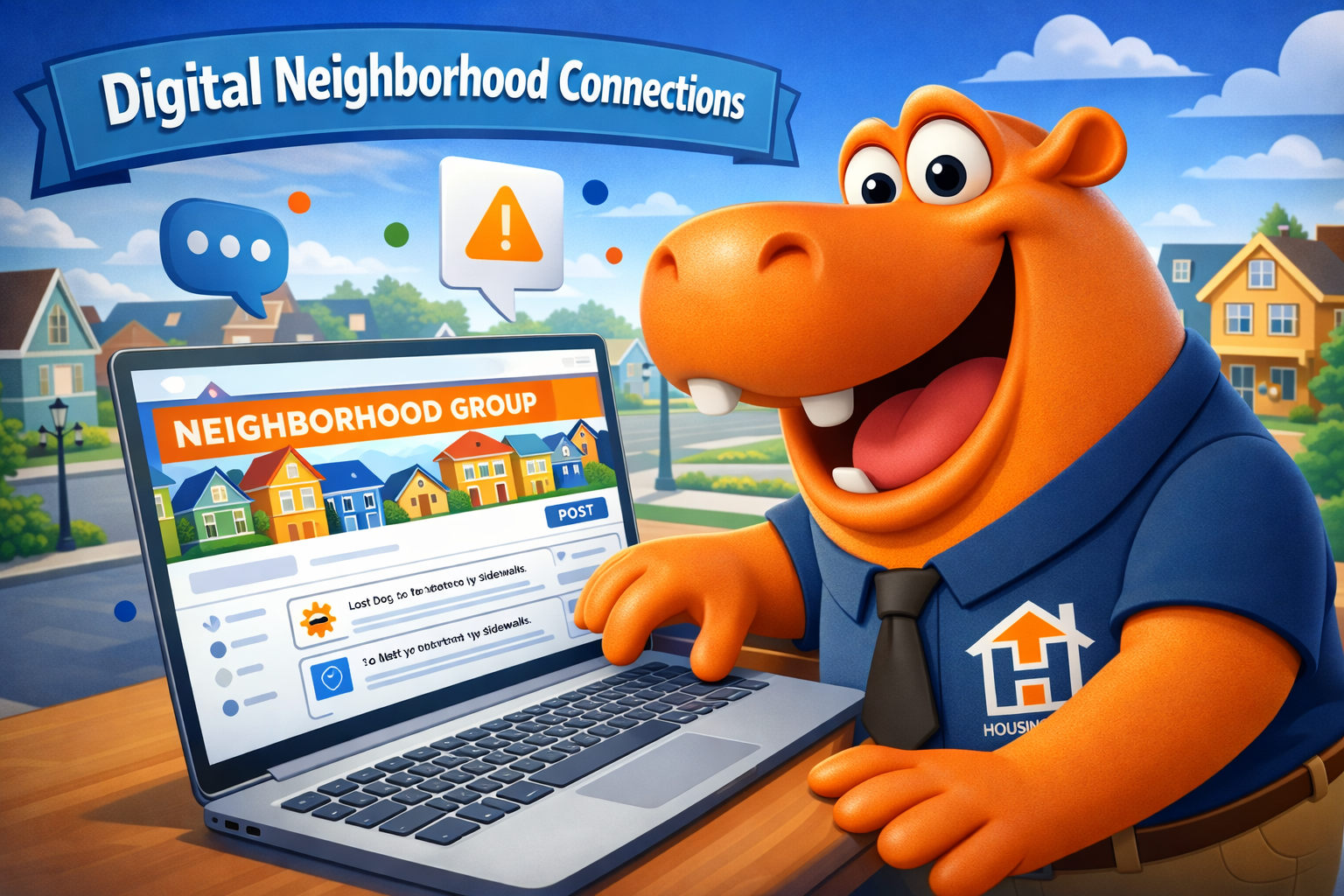
Hubbs the mascot with his laptop looking at a group called Neighborhood Group.

Community doesn’t just happen face-to-face anymore.


Sometimes it happens online.


Neighborhood Facebook groups, Nextdoor, Discord servers, and group chats have become modern tools for staying connected.


The Challenge


Join or start a digital group that connects people in your area, such as NextDoor.


These spaces are great for sharing helpful updates like:


• Local events happening nearby

• Lost or found pets

• Safety alerts

• Package notifications

• Borrowing tools or household items


They also help neighbors discover local gems — like a great coffee shop, food truck, or local community events.


Digital connections don’t replace real ones, but they help neighbors stay informed and connected between everyday interactions.

Why Neighborhood Community Matters

You might be thinking:


"I just want to pay my rent and go about my life."


Totally fair.


But even small connections with neighbors can bring real benefits.


Safety When neighbors recognize each other, unusual activity stands out faster.

Mental Health Urban loneliness is very real. A few friendly faces nearby can make a huge difference.

Easier Problem Solving It’s easier to talk through issues when neighbors know each other.

Shared Resources Not everyone needs their own ladder, drill, or snowblower. Sometimes neighbors can help each other out.


When communities connect, everyone benefits.


Take the Good Neighbor Challenge

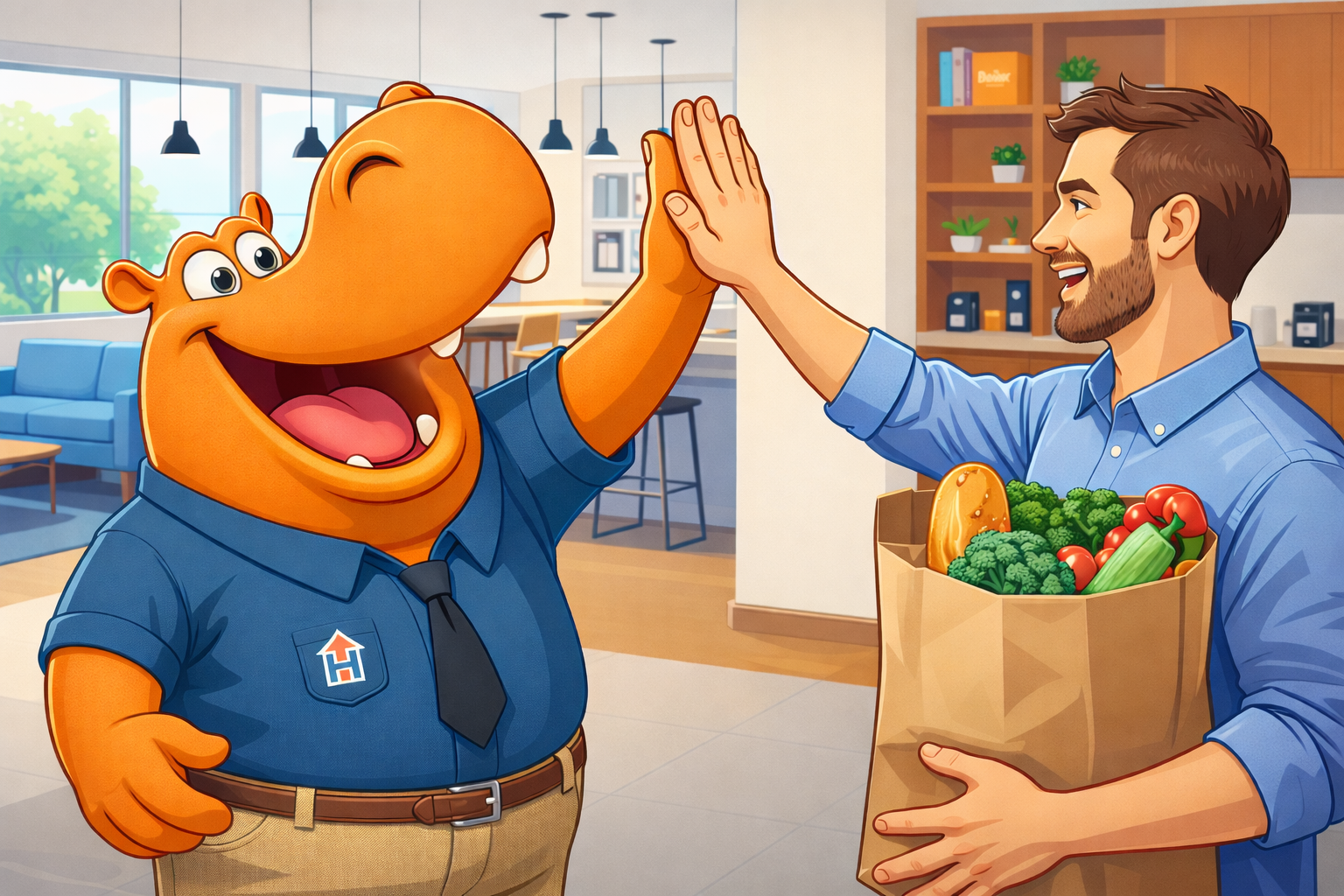
Housing Hub's mascot giving a neighbor a high-five.

Here’s your mission for this week:


✔ Say hello to one neighbor you’ve never spoken to.

✔ Do one small act of kindness nearby.

✔ Check out one local community group or event.


Community doesn’t happen by accident.


It happens when neighbors choose to show up — even in small ways.


And who knows?


That quick hello on the sidewalk today might turn into a friendly wave, a conversation, or even a new friendship tomorrow.


Let’s make this March the month we turn living near each other into living in community.


Happy neighboring, Twin Cities.

You might also like

Blog

By Housing Hub February 3, 2026
Say Goodbye to Landlord Burnout: How to Reclaim Your Time and Peace of Mind

January 7, 2026
Eviction Filings Are Up in Minnesota: What Tenants and Landlords Need to Know Right Now

December 5, 2025
Make Your Rental Feel Like Home: Stylish, Budget-Friendly Décor Tips for Tenants

Book a Service Today